Showing posts with label color. Show all posts

Friday, March 6, 2026

What are the risk with "Dilution" for Passing Urine Drug Test


What Is a Dilution Method for a Urine Drug Test?

A urine drug test is one of the most common ways employers, healthcare providers, and law enforcement agencies detect drug use. These tests measure drug metabolites in urine to determine whether a substance has been used.

One strategy people sometimes attempt is called dilution.

In drug testing terms, dilution refers to drinking large amounts of liquids in an attempt to dilute urine in the bladder so that metabolite concentrations fall below the test cutoff levels.

The goal is simple: reduce the concentration of detectable metabolites enough to produce a negative test result.


How Dilution Methods Work

The basic concept behind dilution is increasing the amount of fluid in the body before providing a urine sample.

The liquid used can be plain water, but many people attempt to increase urine output further by consuming diuretics.

Diuretics help the body eliminate excess fluid by increasing urine production. They stimulate the kidneys to remove sodium, which causes the body to flush additional water as well.

Common natural diuretics include:

  • Dandelion root

  • Horsetail

  • Celery seed

  • Green tea

  • Black tea

  • Coffee

By drinking large quantities of fluids—sometimes combined with diuretics—individuals attempt to lower the concentration of drug metabolites in their urine sample, making them harder for the test to detect.


Why Dilution Is Risky

The reality is that dilution does not detoxify the body. It simply adds water to urine.

Drug metabolites are still present in the body; they are just temporarily diluted.

Some commonly promoted dilution strategies include:

  • Detox drinks

  • High water intake combined with supplements

Most of these approaches rely on drinking very large amounts of water to temporarily dilute urine.

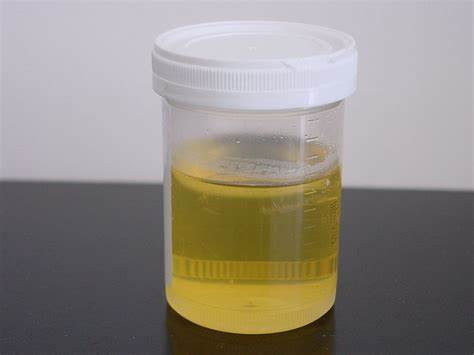
During this short window, the urine sample may appear clear or very light in color. While this might seem helpful, modern laboratory testing does not rely on color alone to determine validity.


The Problem With Adding Color

Some dilution guides recommend taking B vitamins to restore urine color.

However, this can backfire.

Large doses of B vitamins can produce bright neon yellow urine, which may look artificial or suspicious. More importantly, color is not a primary parameter used in laboratory drug testing, so manipulating color does not improve the validity of the sample. 


Creatine Supplement Timing Issues

Another commonly recommended tactic is taking creatine supplements to prevent a diluted result.

Drug testing laboratories measure creatinine levels in urine as part of specimen validity testing. Creatinine is a natural waste product that indicates whether urine has been overly diluted.

The idea behind creatine supplementation is that the body converts creatine into creatinine, helping maintain normal creatinine levels even when fluids are consumed.

However, the timing is critical.

Research such as the study “The Effects of Creatine Ingestion on Urinary Creatine Concentration: Does Supplementation Mask Heavy Dilution?” shows that creatine must be taken well in advance to convert into creatinine effectively.

Typical protocols involve:

  • Approximately 20 grams of creatine per day

  • Taken for about three days ( creatine loading) 

  • Hydrated in acidic liquids such as orange juice taken two hours prior if no time for loading 

Most commercial detox drinks contain very small amounts of creatine, which are generally insufficient to offset significant dilution.   
 

Friday, February 14, 2025

Missinformation about foamy urine

 Miss information about foamy urine,  Foamy or bubbles?


Foamy Urine: What It Means and Why You Should Pay Attention

Many people mistakenly believe that foamy urine is normal—but that’s not the case. While some minor bubbling can occur occasionally, persistent foam may signal underlying health issues. At its simplest, foamy urine can indicate dehydration, but in many cases, it may point to more serious concerns, such as kidney disease or liver-related protein imbalances.

Understanding Foamy Urine

Foam in urine generally occurs because of the presence of protein or other substances that alter urine’s surface tension. If the kidneys aren’t functioning properly, protein can leak into the urine—a condition known as proteinuria. Over time, this may be associated with chronic conditions such as diabetes, high blood pressure, or autoimmune diseases like lupus.

Synthetic Urine and Foam: Clearing Up Confusion

Powdered synthetic urine tends to create realistic surface bubbles when shaken, primarily due to air and surface tension. This mild bubbling is normal and expected—it mimics how genuine urine may behave. On the other hand, liquid synthetic urine usually appears flat because it often contains sanitizing agents or preservatives that reduce surface tension, preventing visible bubbles or foam from forming.

The Collector tech is the one who if LOP directs will check smell and sake cup to observe surface bubbles.   During lab testing, collectors are not checking for a foam layer; they simply ensure the sample has normal physical characteristics, like color and specific gravity. Water, for instance, doesn’t form bubbles because it lacks the density and chemical composition found in real or synthetic urine.

Why Foam Can Signal Health Problems

If you notice your urine is foamy or darker than usual, it’s worth paying attention. These changes can be early indicators of kidney strain or other medical conditions. Here are some important points to consider:

  1. Protein in Urine (Proteinuria):
    Foamy urine may result from excess protein leaking into the urine. This often indicates that your kidneys aren’t filtering waste effectively—a sign that can accompany kidney disease, diabetes, or hypertension. Other related symptoms include swelling in the legs, ankles, or around the eyes.

  2. Common Causes of Proteinuria:
    Besides kidney disease, proteinuria can result from conditions such as lupus, heart failure, or infections. Certain medications and prolonged physical stress can also temporarily affect protein levels in the urine.

  3. When to See a Doctor:
    Occasional foamy urine might not be concerning—especially if you’re dehydrated or recently exercised—but persistent foam shouldn’t be ignored. Schedule a visit with a healthcare provider to rule out potential kidney problems. A simple urine analysis can determine if protein levels are elevated and help assess overall kidney health.

Takeaway

Foamy urine isn’t something to overlook. While minor bubbling can occur from benign causes like dehydration, consistent froth can signal underlying problems that need medical attention. Maintaining proper hydration, managing blood pressure, and monitoring blood sugar are key steps to protecting your kidney health. If in doubt, always consult a healthcare professional for personalized guidance.

Many people mistakenly believe that foamy urine is normal, but that’s actually not the case. Foamy urine can be a sign of potential health problems. At the very least, it may indicate dehydration, but it can also signal more serious issues, such as kidney problems or liver-related protein imbalances.

When it comes to synthetic urine, a common misconception is that it should foam. Fake it powdered synthetic urine can create surface bubbles when shaken in a cup, thanks to surface tension and air, but this is normal and not a cause for concern. Lab collectors are only looking for signs of bubbles, not a foam layer. Water, for example, does not create bubbles because it lacks body or specific gravity.

Foamy or unusually dark urine, on the other hand, can point to underlying health issues. Here are some key things to know about foamy urine:

 1. Protein in Urine:

Foamy urine can indicate the presence of excess protein in your urine (proteinuria). This often suggests kidney problems, as the kidneys may not be filtering properly. Persistent foamy urine can be a sign of kidney disease, diabetes, or high blood pressure, especially if accompanied by other symptoms like swelling in the legs or around the eyes.

2. Common Causes of Proteinuria:

Conditions such as diabetes, high blood pressure, lupus, and certain kidney diseases can lead to proteinuria, causing urine to foam.

3. When to See a Doctor:

While occasional foamy urine may not be concerning, if you notice it consistently, it’s important to consult a healthcare provider. A urine test will help determine protein levels and assess kidney function.

If you experience foamy urine frequently or for extended periods, it’s best to get checked by a healthcare provider to rule out any serious health conditions.

 SEE FAKE IT SYNTHETIC URINE UNDER SVT  SAMPLE VALIDATION TEST

 FAKE IT POWDERED SYNTHETIC URINE  LEVELS 
 
 Characteristics             ---------Normal Range                  ................Fake It Levels
Creatinine     mg/dL            ...........20–400             .........................         80mg/dl
Specific gravity                   ..../.....1.002–1.030        .....................      .. .1.018
pH                                       ...........4.5–8.0              ...............................6.6


       ORDER POWDERED URINE PRODUCTS 


Tuesday, January 23, 2024

Ways to Manipulate a Urine Drug Test: detoxing, dilution, and substitution


Ways to Manipulate a Urine Drug Test: detoxing, dilution, and substitution


Manipulating urine drug tests has become a common challenge for individuals seeking alternative methods. In this comprehensive guide, we will delve into three key techniques: detoxing, dilution, and substitution. Each method comes with its own set of considerations and risks. Let's explore the intricacies of each approach, providing you with valuable insights to make informed decisions.

THC Detoxing: A Time-Tested Approach

THC Detoxing Time Frame:

Understanding the detoxing time frame is crucial for those aiming to eliminate THC from their system. Factors such as usage history, weight, and activity level play pivotal roles. Depending on all factors this could be weeks to months.

Embarking on a THC detox requires a nuanced approach, considering use history, weight, and activity level. The journey is personal, with cardio and intermittent fasting acting as key enhancers. Detox products flood the market, often marketed as herbal miracles. However, it's vital to recognize that true detoxing from THC isn't instantaneous; it's a gradual process influenced by various factors. True THC detox explained . A single use THC is 3 days daily use for months and non active 3-4 months. even mil d daily while thin and active will cut time to weeks . so cardio not water is what shortens detox time.

You Can't "Detox" THC:

It's essential to dispel the myth that THC detoxing is a foolproof method. The reality is that genuine detoxing takes time, and quick fixes like carbo detox 2000 !" drinks are marketing scheme. these products are only creating temporary "dilution". THC is stored in body fat.


Dilution: Balancing Act for Test Success

Dilution involves a delicate balance of consuming elevated liquids two hours before testing. The risk lies in over-dilution, leading to a "negative dilute" result, necessitating a retest. Detox products claiming to enhance dilution often resort to marketing gimmicks, promoting temporary bladder dilution rather than a genuine detox. 

Detox Products: A Marketing Gimmick?  

 Detox products mislead consumers with idea if they drink their product they will be clean. In reality this is mostly a marketing gimmick as all drugs are gone in 4 days except THC which timeline to being clean is based on use history and weight. These products will instruct you to consume with allot of water which is just dilution promoting temporary bladder dilution rather than a genuine detox. 

Risks of Over-Dilution 

Over-dilution poses the risk of triggering a "negative dilute" result, requiring a retest. Detox products advocating excessive fluid intake along with their product which is already a large volume of fluid . This will lead to a temporary dilution window, only to return to normal levels shortly after. You have to hit the right levels to dilute enough to lower drug levels below threshold but not crash the specimen validity test that looks at urine's specific gravity ( density) and creatinine levels . These two items will indicate one has consumed a abnormal amount of fluid which can only be for purpose of cheating.

 urine-specific gravity  could be crashed if the individual consumed a large amount of liquids before providing a sample. More specifically, it would take somewhere in the neighborhood of 24 to 36 ounces of water (consumed all at once) to successfully dilute urine. In just a half-hour, this could dilute the sample tenfold, and the results could last for hours. 


Substitution: Navigating Risks and Solutions

Obtaining a Sample:  Using a friends or Synthetic ?

Risks of Using Another Person's Urine:

Substitution involves obtaining a sample, with one option being the use of another person's urine. This approach requires proper collecting of the urine as it needs to be collect fresh and frozen asap if not used in hours as urine breaks done and soon darkens and smells. inherent risks, including potential health issues and the risk of detection from submitting dark funky obviously old urine.

Synthetic Urine: A Superior Alternative... sometimes

Opting for synthetic urine proves to be a more reliable solution.Synthetic alternatives come in two forms: premixed liquids and powdered concentrates. 


Pre-Mixed Liquids: Discovering the Pitfalls

Premixed liquid products are a very basic formula of water, creatinine, urea or uric acid, a buffer agent and some level of sanitizer, ( more so if they include urea or uric acid as without biocide the urea will go bad ) . These biocide, peroxide, nitrates are detectable with specimen validity testing. If they claim to have uric acid (used to validate human urine in some states ) then it must have a biocide . Additionally these additive often render a product "flat" (no surface bubbles) and Odorless . NOTE they may be undetected with cheaper testing without validation screens, however even then they often are flagged for bad ph.


Powdered Concentrate: A Clean Slate

Powdered concentrate urine eliminates the issues associated with pre-mixed liquids. 

Fake It powdered synnthetic urine 

Comparison of Powdered Synthetic Bottle Products:

Comparing different Powdered synthetic urine products, such as the "Sub Solution," bottle , "One Shot" bottle and "Urine Trouble," bladder by Passitkit or a large tube thingy from test clear. reveals varying features, prices, and effectiveness.


"Sub Solution": unnecessary gimmicks ?

Analyzing the "Sub Solution" ( $90.00 Bottle) raises questions about the necessity of a chemical additive for creating heat. This unnatural and unneeded item looks like another gimmik to justify the insane price. The chemical heating solution is short acting and has been found to create invalid readings in certain labs. 


"One Shot" and "Urine Trouble": Affordable and Effective Options

Affordable options like "One Shot" ($40.00 Bottle kit) provide different usage scenarios, ensuring discretion and effectiveness. They both use reliable 10 hour warming pads and the most human like powdered synthetic. The One Shot bottle allows for random testing by dropping vial into bottle and uses a twist cap that cant be dropped or left behind.


Drop Audible Detection: The Removable Cap Issue

The "urine simulator" ( $ 60.00 tube ) product is a Large tube with a removable cap, introducing a drop audible detection issue. tempt meter warmer are extra.


Masking

 I often hear people say drinking crap is masking but it is not that is just dilution regardless if its q carbo overpriced tea or misconception that certo or niacin are mask its al part of dilution as its the water doing anything not what you consume with it . 


"Masking "  the use of additives to urine sample that interferes with reading has long been tested for in labs ether old urine luck products or bleach they are basic items on a specimen validation test 


FAQs

Q: Are detox products effective for THC cleansing?

A: Detox products may offer temporary bladder dilution but do not guarantee genuine THC detoxification.

Q: What risks are associated with using another person's urine?

A: Risks include detection during collection and potential health hazards.

Q: How do synthetic alternatives differ?

A: Premixed liquids may trigger validity tests, while powdered concentrates offer a cleaner and more reliable solution.

Q: Are there risks associated with over-dilution in drug tests?

A: Yes, over-dilution can lead to a "negative dilute" result, requiring a retest. A dilute sample re

Conclusion:

Navigating the world of drug urine test manipulation requires careful consideration of each method's intricacies. Whether opting for detoxing, dilution, or substitution, understanding the risks and benefits is crucial. Synthetic urine emerges as a superior choice, providing a clean slate without the pitfalls associated with other methods.

In conclusion, the market offers a variety of synthetic urine products, each with its unique features. Choosing the right one depends on individual preferences, budget constraints, and the desired level of discretion. By exploring these methods, individuals can make informed decisions, ensuring successful outcomes in drug urine tests.