
Miss information about foamy urine, Foamy or bubbles?
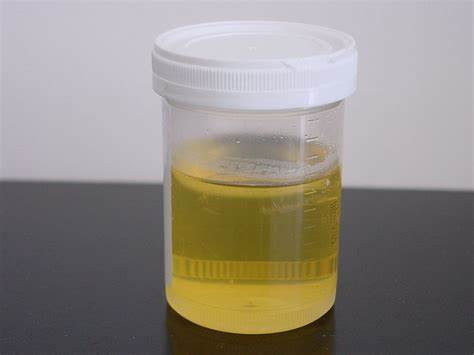
Foamy Urine: What It Means and Why You Should Pay Attention
Many people mistakenly believe that foamy urine is normal—but that’s not the case. While some minor bubbling can occur occasionally, persistent foam may signal underlying health issues. At its simplest, foamy urine can indicate dehydration, but in many cases, it may point to more serious concerns, such as kidney disease or liver-related protein imbalances.
Understanding Foamy Urine
Foam in urine generally occurs because of the presence of protein or other substances that alter urine’s surface tension. If the kidneys aren’t functioning properly, protein can leak into the urine—a condition known as proteinuria. Over time, this may be associated with chronic conditions such as diabetes, high blood pressure, or autoimmune diseases like lupus.
Synthetic Urine and Foam: Clearing Up Confusion
Powdered synthetic urine tends to create realistic surface bubbles when shaken, primarily due to air and surface tension. This mild bubbling is normal and expected—it mimics how genuine urine may behave. On the other hand, liquid synthetic urine usually appears flat because it often contains sanitizing agents or preservatives that reduce surface tension, preventing visible bubbles or foam from forming.
The Collector tech is the one who if LOP directs will check smell and sake cup to observe surface bubbles. During lab testing, collectors are not checking for a foam layer; they simply ensure the sample has normal physical characteristics, like color and specific gravity. Water, for instance, doesn’t form bubbles because it lacks the density and chemical composition found in real or synthetic urine.
Why Foam Can Signal Health Problems
If you notice your urine is foamy or darker than usual, it’s worth paying attention. These changes can be early indicators of kidney strain or other medical conditions. Here are some important points to consider:
Protein in Urine (Proteinuria):
Foamy urine may result from excess protein leaking into the urine. This often indicates that your kidneys aren’t filtering waste effectively—a sign that can accompany kidney disease, diabetes, or hypertension. Other related symptoms include swelling in the legs, ankles, or around the eyes.Common Causes of Proteinuria:
Besides kidney disease, proteinuria can result from conditions such as lupus, heart failure, or infections. Certain medications and prolonged physical stress can also temporarily affect protein levels in the urine.When to See a Doctor:
Occasional foamy urine might not be concerning—especially if you’re dehydrated or recently exercised—but persistent foam shouldn’t be ignored. Schedule a visit with a healthcare provider to rule out potential kidney problems. A simple urine analysis can determine if protein levels are elevated and help assess overall kidney health.
Takeaway
Foamy urine isn’t something to overlook. While minor bubbling can occur from benign causes like dehydration, consistent froth can signal underlying problems that need medical attention. Maintaining proper hydration, managing blood pressure, and monitoring blood sugar are key steps to protecting your kidney health. If in doubt, always consult a healthcare professional for personalized guidance.
Many people mistakenly believe that foamy urine is normal, but that’s actually not the case. Foamy urine can be a sign of potential health problems. At the very least, it may indicate dehydration, but it can also signal more serious issues, such as kidney problems or liver-related protein imbalances.
When it comes to synthetic urine, a common misconception is that it should foam. Fake it powdered synthetic urine can create surface bubbles when shaken in a cup, thanks to surface tension and air, but this is normal and not a cause for concern. Lab collectors are only looking for signs of bubbles, not a foam layer. Water, for example, does not create bubbles because it lacks body or specific gravity.

1. Protein in Urine:
Foamy urine can indicate the presence of excess protein in your urine (proteinuria). This often suggests kidney problems, as the kidneys may not be filtering properly. Persistent foamy urine can be a sign of kidney disease, diabetes, or high blood pressure, especially if accompanied by other symptoms like swelling in the legs or around the eyes.
2. Common Causes of Proteinuria:
Conditions such as diabetes, high blood pressure, lupus, and certain kidney diseases can lead to proteinuria, causing urine to foam.
3. When to See a Doctor:
While occasional foamy urine may not be concerning, if you notice it consistently, it’s important to consult a healthcare provider. A urine test will help determine protein levels and assess kidney function.
If you experience foamy urine frequently or for extended periods, it’s best to get checked by a healthcare provider to rule out any serious health conditions.
SEE FAKE IT SYNTHETIC URINE UNDER SVT SAMPLE VALIDATION TEST
Creatinine mg/dL ...........20–400 ......................... 80mg/dl
Specific gravity ..../.....1.002–1.030 ..................... .. .1.018
pH ...........4.5–8.0 ...............................6.6


